

5 Steps How to Budget for Your First Month and Relocate to Charlotte (Easy Guide for New Professionals)
![[HERO] 5 Steps How to Budget for Your First Month and Relocate to Charlotte (Easy Guide for New Professionals)](https://cdn.marblism.com/k2wA02nMhCu.webp)
Moving to the "Queen City" is a major career milestone, but the upfront costs can feel like a mountain to climb. We’ve broken down the essential five-step budgeting framework to help you relocate to Charlotte, NC, without draining your savings, including how to find the best rooms for rent in Charlotte to keep your overhead low.
So, you’ve landed the job, signed the offer letter, and now you’re staring at a map of Mecklenberg County wondering how you’re going to afford to get there. We get it. Moving is expensive, and Charlotte’s popularity means the housing market moves fast.
The good news? Charlotte is incredibly accessible for young professionals if you know how to play your cards. Whether you're heading into a banking role Uptown or a tech gig in South End, I’ll break it down for you so you can land on your feet with cash still in your pocket for that first round of drinks at an Optimist Hall brewery.
1. The Salary Math: Can You Afford the "Queen City" Lifestyle?

Before you pack the first box, you need to know if the numbers actually work. Charlotte offers a high quality of life, but like any booming city, prices have ticked up. Based on local data, a single professional should aim for a minimum annual income of $52,400 to live comfortably here.
If your goal is to eventually move from renting to owning, the bar is a bit higher, you’ll likely need to hover around the $92,609 mark to qualify for a mortgage in the current market. But don’t let those numbers scare you. The median household income in Charlotte is around $65,350, which is nearly $10,000 above the national average.
Pro Tip: Charlotte’s job market is robust in finance, healthcare, and energy. If your salary is on the lower end of that "comfortable" range, your biggest lever for financial freedom is going to be your housing choice.
2. Decoding the "First Month" Housing Bill
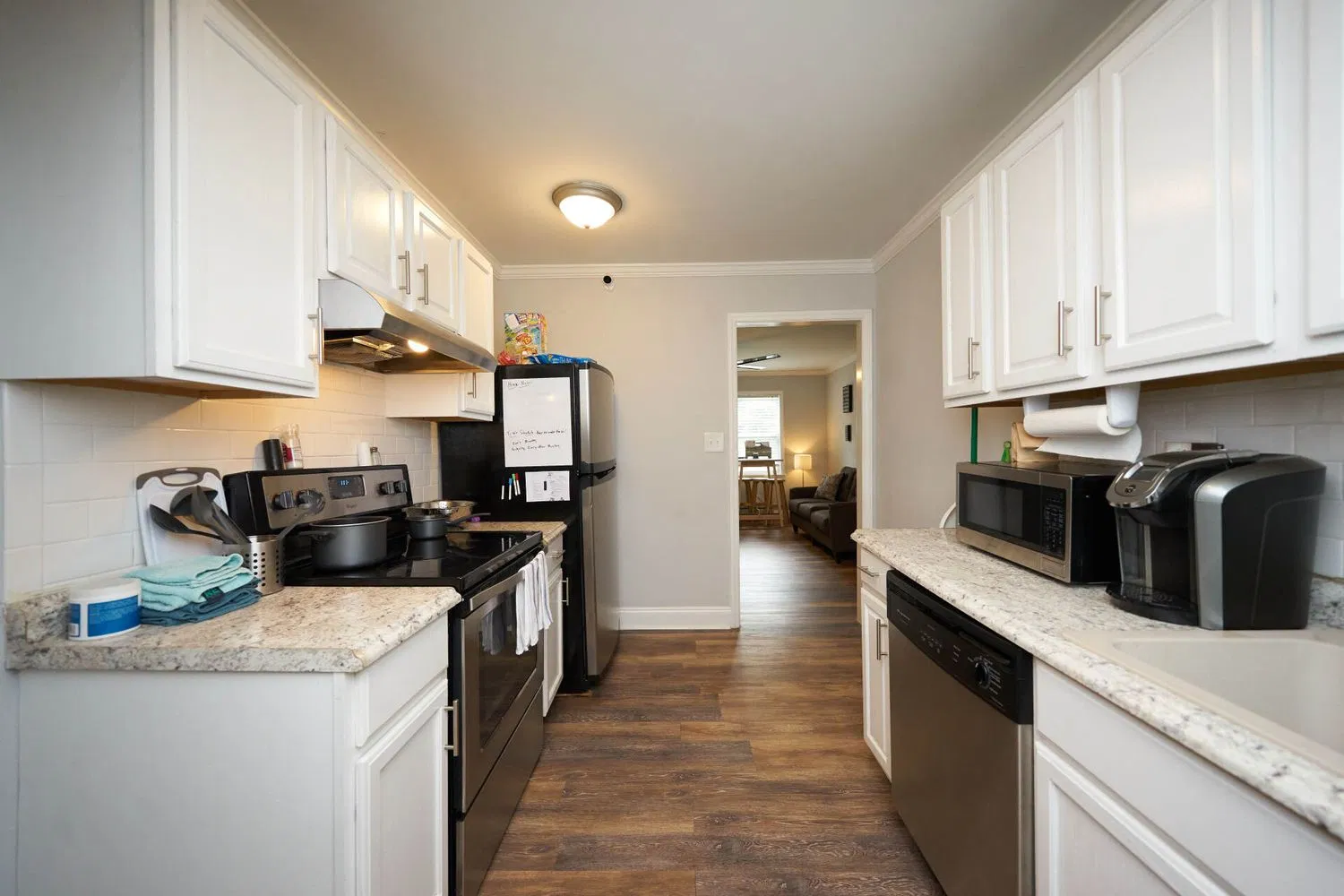
This is where most relocation budgets fall apart. If you go the traditional route, signing a lease for a 1-bedroom apartment, the average rent in Charlotte is roughly $1,573 per month.
When you relocate to Charlotte, NC, a traditional landlord usually asks for:
- First Month’s Rent:$1,573
- Security Deposit:$1,573
- Application & Admin Fees:$300+
- Utility Deposits:$200+
That’s over $3,600 just to get the keys.
The Better Alternative:
By looking for rooms for rent in Charlotte through a managed co-living setup, you can slash that upfront cost by 60% or more. At Community Room Rental, we focus on all-inclusive living. You get a private bedroom with a digital lock for security, and you aren’t on the hook for massive utility deposits or the "first and last month" trap.
Check out some of our current Charlotte openings:
3. Managing the "Hidden" Daily Costs (The AC Spike is Real)
Charlotte has a secret: the summers are gorgeous, but the humidity will make your air conditioner work overtime. If you’re renting a traditional apartment, expect your utility bill to spike by at least 15% between June and August.
Here’s what a typical monthly "hidden" budget looks like for a single person in Charlotte:
- Groceries:$320 (Charlotte’s food costs are roughly 10% higher than the national average).
- Transportation: If you're car-dependent, gas and insurance are a factor. If you're living near the Blue Line, a LYNX light rail pass is $88/month.
- Internet/Phone: Roughly $190/month.
How Co-living Saves You:
In our shared homes, we take the "one bill" approach. Your rent covers the Wi-Fi, electricity, water, and gas. No more Venmo-ing roommates for their share of the Duke Energy bill or worrying about that July AC spike. We handle the logistics so you can focus on your new job. Plus, we send a professional cleaning crew to handle the common areas every other week, that's one less thing for you to budget for or argue about.
4. Setting Up Your Space Without the "Furniture Debt"

You’ve arrived. You have your room. Now, how do you fill it?
Most new professionals make the mistake of putting a whole bedroom set on a credit card the first week they arrive. Don't do it.
Pro Tip: We offer furnished bedroom options for an upcharge, which is a game-changer for those moving from out of state. If you prefer to DIY, our partnership with IKEA is a budget-friendly way to get the essentials. You can even check out our furnishing help page for tips on making your private room feel like home.
Remember, in our properties, the "heavy lifting" is already done. The common spaces: the kitchen (with stainless steel appliances), the laundry area, and the living rooms: are already fully furnished and stocked with the essentials. You just need to worry about your private sanctuary behind your digital lock.
5. Building Your Relocation Buffer Fund
Even with the best planning, relocation has "oops" moments. A tire goes flat on I-85, or you realize you need a completely different wardrobe for your new office.
We recommend a Relocation Buffer Fund of $2,000–$3,000. This covers:
- The actual moving truck or shipping costs.
- Initial grocery haul (filling a pantry from scratch is surprisingly expensive!).
- New work attire.
- The "Social Tax": the cost of going out to meet new people in your first month.
When you choose shared housing, you’re not just saving on rent; you’re buying into an instant network. Meeting your housemates in the kitchen while grabbing coffee is the easiest way to find out which bars in Pineville are worth the trip or where the best hiking trails are in Crowders Mountain.
The Charlotte Lifestyle Connection: Why Neighborhood Choice Matters

Where you live in Charlotte dictates your daily vibe.
- Steele Creek: Perfect if you work near the airport or want to be close to Lake Wylie. It’s a bit more suburban but has incredible shopping and dining.
- SouthPark/Cotswold: High-end, polished, and close to the city’s best luxury shopping.
- Ballantyne: The corporate hub of the south, ideal for those working in the big office parks.
By choosing rooms for rent in Charlotte, you get to test-drive these neighborhoods without the 12-month commitment of a $2,000-a-month apartment. You can live in a beautiful, professionally managed single-family home, enjoy a private room, and keep your total first-month relocation budget under $2,500 instead of the typical $6,000+ you’d spend on a traditional move.
Final Thoughts
Relocating to Charlotte should be an exciting chapter, not a financial nightmare. By focusing on all-inclusive housing, leveraging the light rail, and keeping your upfront costs low, you can enjoy everything the Queen City has to offer from Day 1.
After all, the best way to start a new job is with a clear head and a healthy bank account. Welcome to Charlotte!
Ready for a Stress-Free Move?
Skip the utility deposits and the "roommate's name on the bill" drama. Experience professional co-living in Charlotte’s best neighborhoods.