The Legislative Landscape Is Moving Fast: Bryan Pierce’s Guide to NC Housing Reform
Meta Summary: North Carolina is undergoing a massive shift in housing legislation for the 2025/2026 session. From capping institutional investors to legalizing ADUs and ending the "Solo Tax," Charlotte Relocation Specialist Bryan Pierce breaks down how these new laws serve as a "Housing Cheat Code" for professionals seeking smart savings in the Roommate Economy.
If you’ve spent five minutes looking for an apartment in Charlotte, Raleigh, or Durham lately, you know the feeling. The "Solo Tax": that massive financial penalty you pay just to live in a studio apartment by yourself: is higher than ever. Renters are being squeezed by a combination of low inventory and high demand, but the legislative landscape in North Carolina is finally starting to move at the speed of the market.
My name is Bryan Pierce. As a Charlotte Relocation Specialist, I spend my days helping professionals navigate the transition to the Carolinas. Whether you're moving for a job at Honeywell, Bank of America, or a tech startup in the Research Triangle, the question is always the same: "How do I live in a nice neighborhood without spending 50% of my paycheck on rent?"
The answer lies in what we call the Housing Cheat Code: leveraging the Roommate Economy. But more importantly, the State of North Carolina is currently debating several landmark bills that could change the way we live, build, and rent forever. Here is my guide to the 2025/2026 NC Housing Reform landscape.
1. Capping the Corporate Giant: S 199, S 432, and H 1010
One of the biggest frustrations for local renters and homebuyers alike is the influx of private equity-backed tech platforms and institutional investors buying up every single-family home (SFH) in sight. These PE-backed firms have deep pockets and often outbid local families, driving up prices for everyone.
Bills S 199, S 432, and H 1010 aim to put a stop to this by proposing a cap on SFH ownership. These bills generally target institutional investors, seeking to limit their ownership to 100 properties in certain jurisdictions. The goal is to return the "American Dream" to actual residents rather than out-of-state balance sheets.
At Community Room Rental, we take pride in being a homegrown Carolinas company. We aren't a PE-backed tech platform; we are local property managers who believe in high-quality, managed shared living. By capping the giants, the state is making room for local operators who actually care about the community and the quality of the homes.
Pro Tip: When looking for rooms for rent in Charlotte, always check if you're dealing with a local management team or an anonymous tech app. Local roots mean faster maintenance and better vetting.
2. Fighting Downzoning with S 382
The term "downzoning" sounds technical, but it has a very simple effect: it makes housing more expensive. When a city or county "downzones" an area, they are essentially saying you can't build as many units as you used to be able to. This restricts supply and pushes rent up.
Senate Bill 382 looks to restrict these downzoning practices. By preventing local governments from arbitrarily reducing density, the state is ensuring that we can continue to build the types of homes people actually need: townhomes, duplexes, and shared housing setups. This is essential for maintaining "Smart Savings for Professionals" in high-growth cities like Raleigh and Charlotte.
3. The Housing Choice Act: H 626
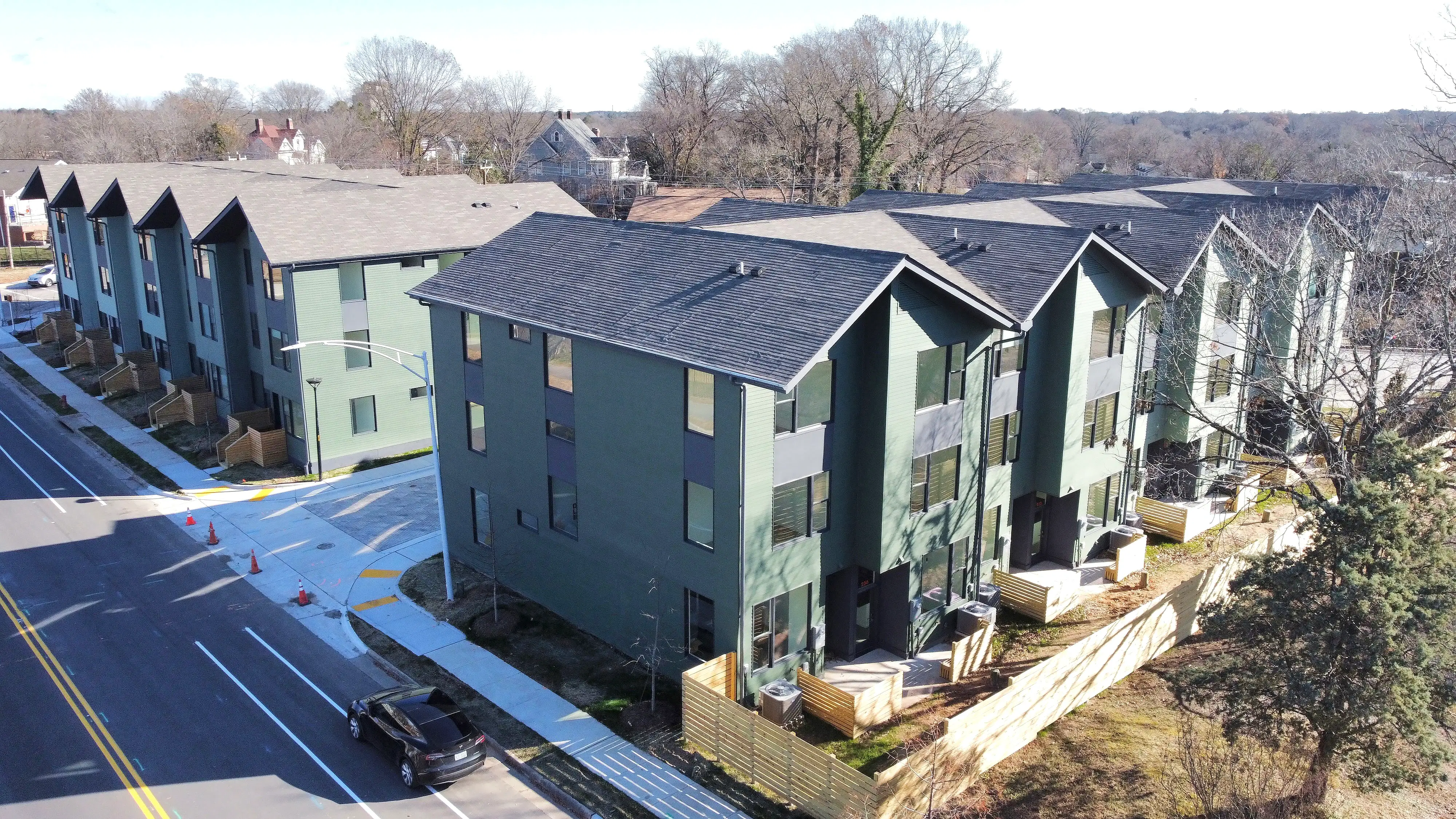
This is perhaps the most exciting piece of legislation for anyone interested in the Roommate Economy. House Bill 626, often referred to as the Housing Choice Act, aims to legalize "middle housing" across the state. This includes duplexes, triplexes, and fourplexes in areas traditionally reserved for single-family homes.
Why does this matter to you? Because it creates the infrastructure for the Housing Cheat Code. More middle housing means more high-end shared living options. It allows companies like ours to offer private bedrooms with digital locks in beautiful, modern homes that wouldn't have existed five years ago. It’s about giving you the choice to live in a premium neighborhood without the premium price tag of a 1-bedroom apartment.
4. Legalizing the ADU: H 627 and S 495
Accessory Dwelling Units (ADUs): also known as "granny flats" or backyard cottages: are a massive part of the solution to the housing crisis. H 627 and S 495 are moving to streamline the approval and construction of these units.
For a newcomer to Charlotte or Durham, ADUs represent a unique way to enter a neighborhood that might otherwise be unaffordable. By increasing the density of existing residential lots, we can house more professionals in walkable areas without destroying the character of the neighborhood. It’s a win-win that helps defeat the Solo Tax.
5. Removing the "Red Tape" Tax: H 369 and H 876
Have you ever wondered why it takes years for a new building to go up? A lot of it comes down to bureaucracy and outdated rules. Two bills are tackling this head-on:
- H 369: Parking Minimums. This bill looks to reduce or eliminate mandatory parking minimums. In many urban areas, developers are forced to build huge parking lots that nobody uses, which adds thousands of dollars to the cost of every unit. By removing these mandates, we can lower the cost of construction and, ultimately, the cost of rent.
- H 876: Third-Party Permit Reviews. When local government offices are backed up, building permits sit on desks for months. H 876 allows for third-party permit reviews to speed up the process. If we can build faster, we can house people faster.
Pro Tip: Speeding up construction is great, but make sure the home is ready for you. Our verified tour process ensures that what you see is exactly what you get when you arrive.
6. Innovative Space: H 914
Finally, House Bill 914 explores allowing affordable housing developments on land owned by religious or educational institutions. Many churches and schools have underutilized land in the heart of our cities. This bill would allow that land to be repurposed for housing, providing "Smart Savings for Professionals" right where the jobs are.
How Community Room Rental Fits This New Landscape
All of this legislation points toward one inevitable conclusion: the future of urban living is shared. The Roommate Economy isn't just a trend; it's a structural response to a changing world. At Community Room Rental, we have already implemented the "Housing Cheat Code" for our residents.
Our homes aren't "boarding houses." They are high-end, single-family homes or townhomes professionally managed for driven professionals. Here is how we do it:
- Private & Secure: Every bedroom features a private digital lock for your peace of mind.
- Common Spaces: We fully furnish and supply the common areas: the kitchen, laundry, and living rooms are shared spaces located down the hall, never inside a bedroom.
- Maintenance-Free: We handle the yard service and provide a professional cleaning service that cleans all common spaces every other week.
- All-Inclusive: Your rent includes all utilities and high-speed Wi-Fi. No more splitting bills with roommates.
- The Furniture Factor: While our standard offering focuses on common areas, furnished bedrooms are available for an upcharge. We also have an IKEA partnership to help you furnish your private room on a budget: check out our furnishing help page for more.
When you compare the cost of a traditional 1-bedroom apartment in SouthPark or Ballantyne to one of our rooms, you'll see why people call it a "Cheat Code." You can often save $800 to $1,200 a month. That’s money you can put toward a down payment, travel, or paying off student loans.
The Verdict
The legislative landscape in North Carolina is moving fast because it has to. The "Solo Tax" is no longer sustainable for the workforce that makes our cities run. Whether you’re looking for rooms for rent in Charlotte or exploring the Durham market, these reforms are paving the way for a more flexible, affordable, and professional housing market.
Stay informed, stay strategic, and stop paying the Solo Tax.
Ready to use the Housing Cheat Code?
Don't wait for the legislation to catch up: the savings are available right now. Check out our current openings for high-end, professional shared living in North Carolina’s hottest neighborhoods.
View Current Room Availability
Explore our vetted, professional co-living spaces in Charlotte and the Triangle.
Charlotte Availability Durham/Raleigh Availability