

Are Traditional Apartments Dead? Why Professionals Are Choosing Co-Living in 2026
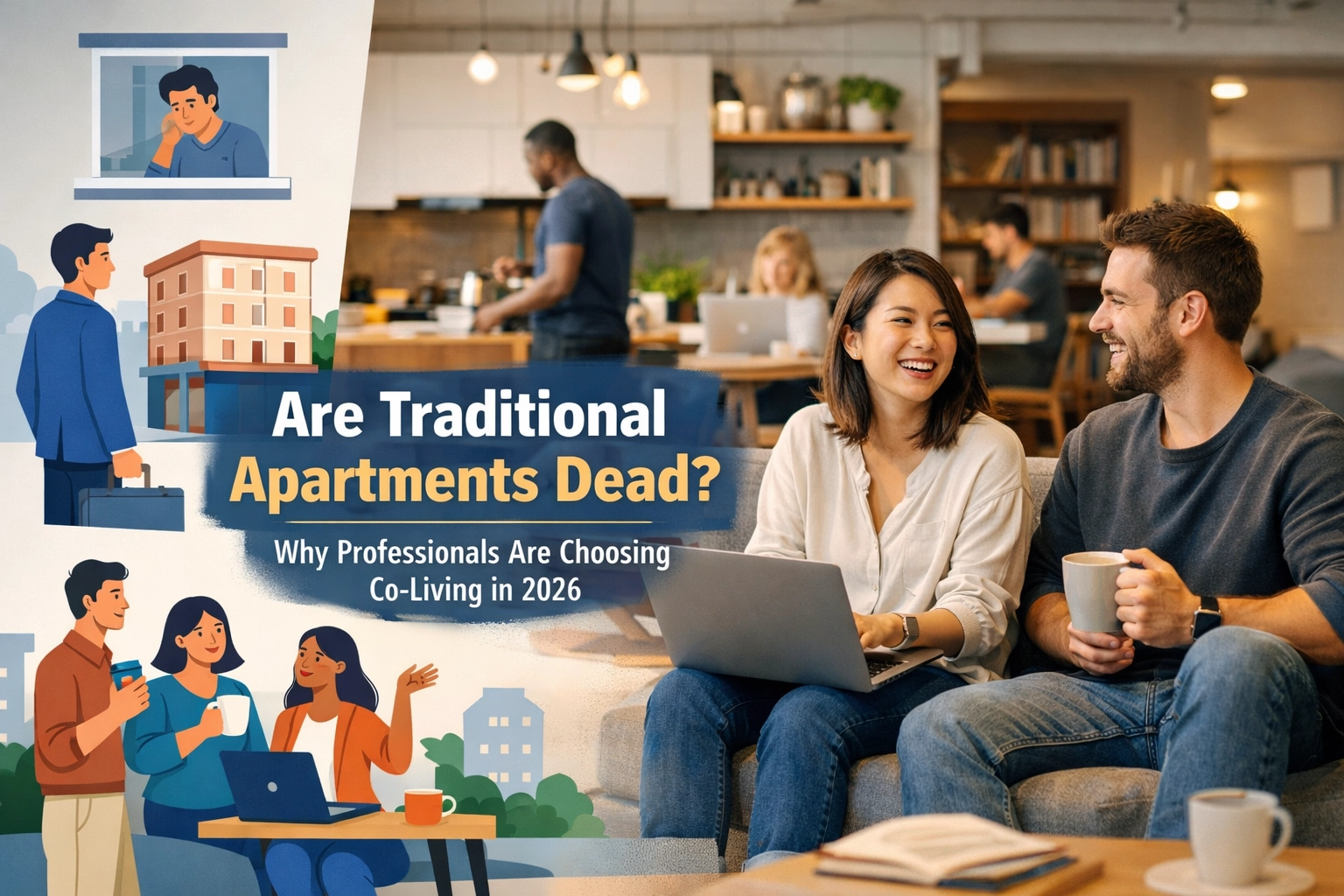
You're scrolling through apartment listings again, cringing at the rent prices and those ridiculous 12-month leases. Sound familiar? You're not alone. Something interesting is happening in 2026: professionals across the country are ditching traditional apartments for a completely different way of living. Let's break down why co-living is suddenly everywhere and whether traditional apartments are actually on their way out.
The Traditional Apartment Problem
Here's the thing: traditional apartments aren't exactly designed for how professionals actually live in 2026. You sign a year-long lease, pay first month, last month, security deposit, and then... you're stuck. Got a three-month contract in another city? Tough luck. Want to switch jobs and relocate? Better hope you can sublease.
And let's talk money. Between rent, utilities, Wi-Fi, furniture, and all those random fees landlords love to add, you're easily dropping a huge chunk of your paycheck every month. For young professionals just starting out or digital nomads bouncing between cities, that financial commitment feels like wearing cement shoes.

Why Professionals Are Making the Switch
1. Your Wallet Will Actually Thank You
We get it, you work hard for your money. Co-living arrangements can slash your housing costs by up to 40% compared to renting solo. Forty percent.
How? Everything's bundled into one payment: utilities, high-speed Wi-Fi, housekeeping services, even streaming subscriptions in some places. No more juggling five different bills or getting hit with surprise "water and sewer" charges. You know exactly what you're paying each month, and it's significantly less than going the traditional route.
2. Flexibility That Matches Your Career
Your career doesn't follow a 12-month schedule anymore, so why should your housing? Co-living spaces typically offer lease terms from 1-6 months. Shared housing lets you move as your opportunities move. It's that simple.

3. Built-In Amenities Without the Hassle
Think about everything you'd need to set up in a traditional apartment: furniture, gym membership, cleaning supplies, kitchen equipment. That's thousands of dollars and dozens of hours just to feel settled.
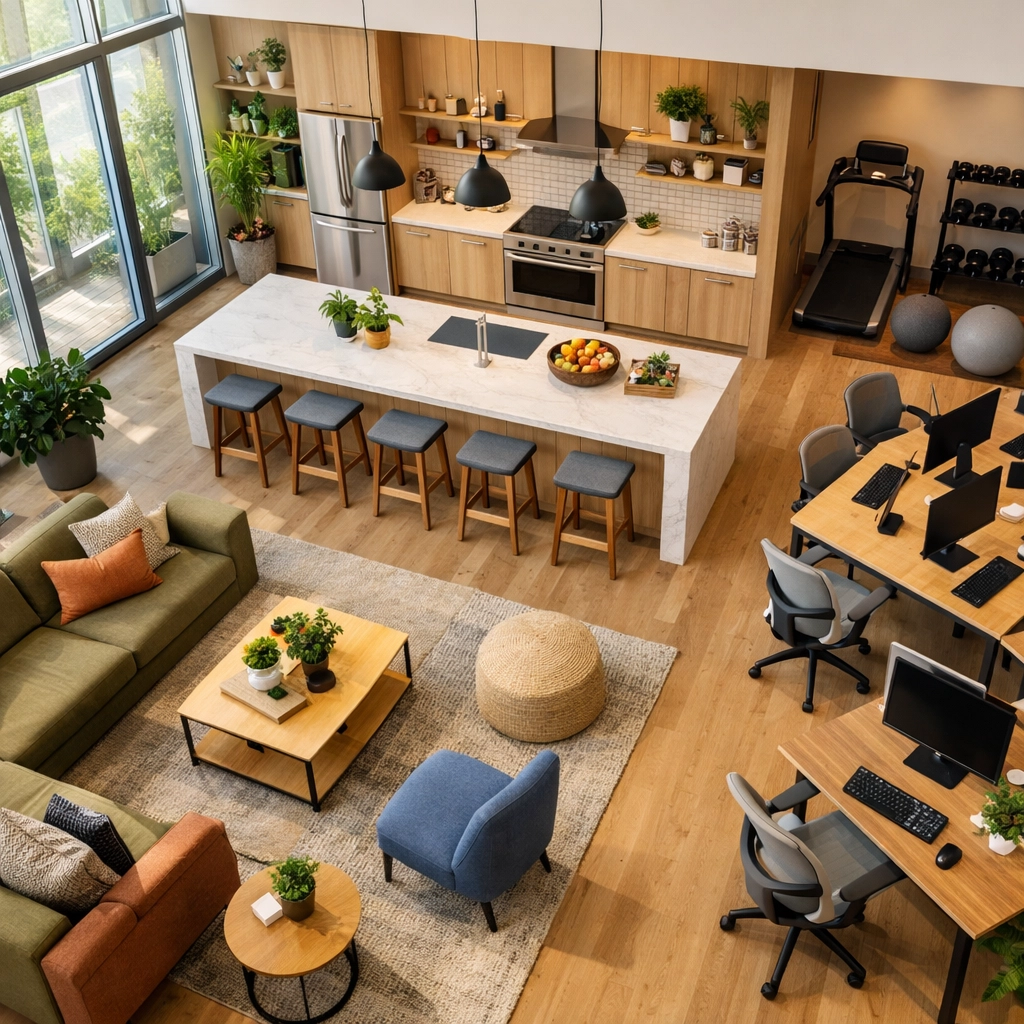
Co-living spaces come with all of this already sorted. Fully furnished rooms for rent, fitness centers, dedicated workspace with ergonomic setups, and tech-enabled common areas. You literally show up with your suitcase and laptop, and you're good to go.
4. Instant Community
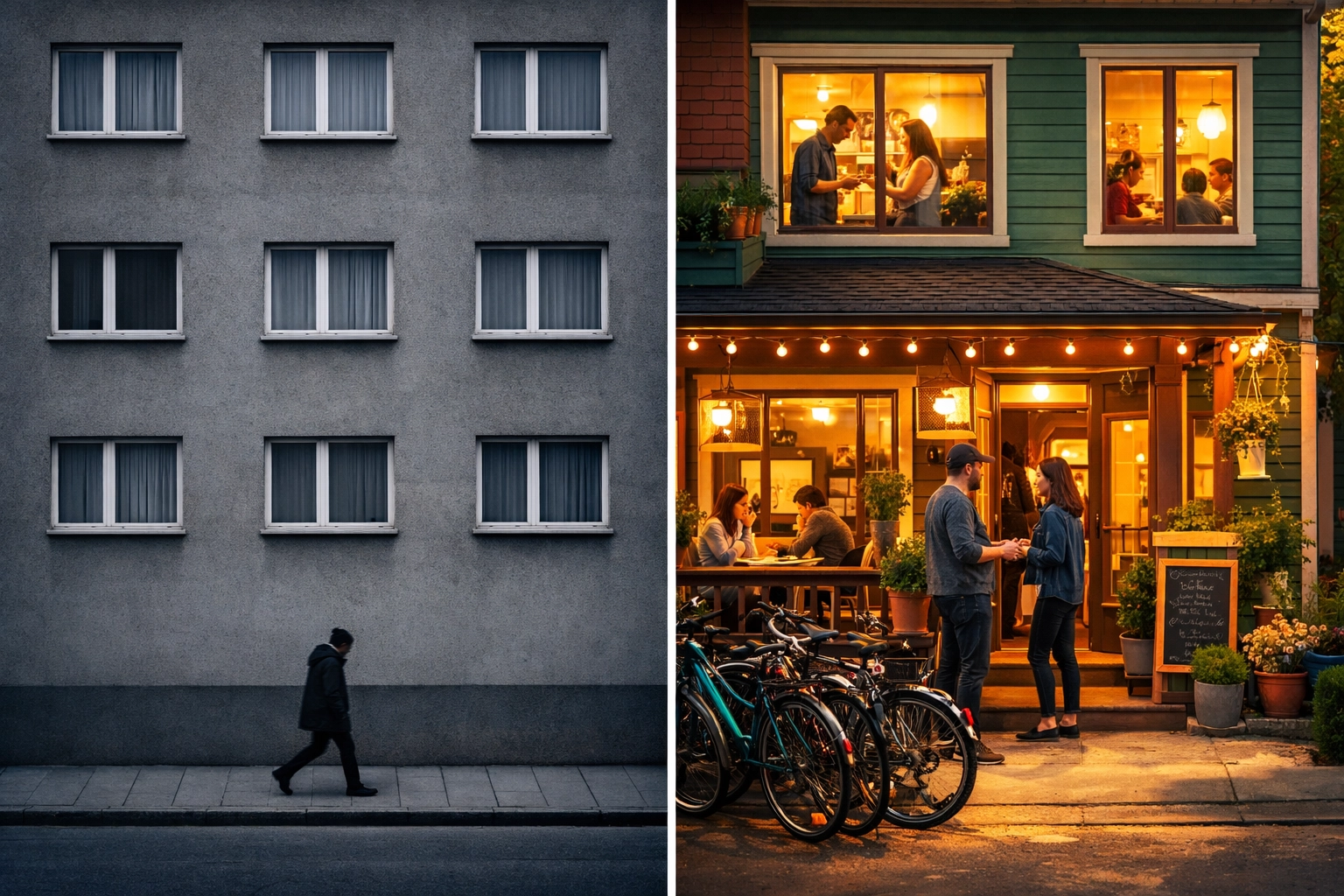
Co-living flips the script on lonely city living. You're moving into a curated community of professionals who are also looking to connect. The setup naturally encourages networking and friendships through shared kitchens, common areas, and organized events.
Who's Actually Choosing Co-Living?
- Digital Nomads: Remote professionals love the flexibility to move between cities while maintaining a stable, comfortable living situation.
- Young Professionals: Starting your career in a new city is expensive. See if co-living is for you.
- Career Transitions: Between jobs? Relocating for a trial period? Short-term leases give you the freedom to make bold moves.

What to Look for in Quality Shared Housing
- Transparent Pricing: Everything should be clearly outlined upfront.
- Professional Management: You want responsive support, not an absent landlord.
- Vetted Residents: Reputable providers screen for housemates who are also driven professionals.
See what Community Room Rental offers in terms of professionally managed shared housing.
Making the Decision
So are traditional apartments dead? Not entirely. But they're definitely not the automatic choice anymore. If you value saving money, staying flexible, and actually enjoying where you live, co-living is the smart play for 2026.